

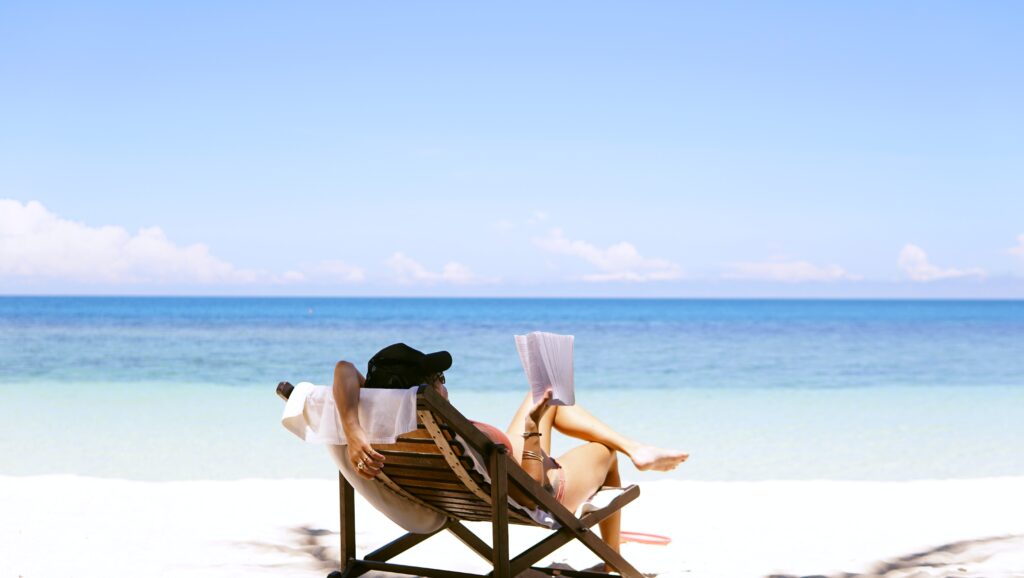
Whilst many countries have a variety of seasons like spring, summer, autumn, and winter, Panama really just has two. The hot season, also known as the dry season, and the rainy season. But what exactly do these seasons represent for your time here in Panama, and when is the best time for you to travel?
Join along as we show you the ins and outs of every month in Panama and the experiences you can expect to enjoy in each season.
Panama’s rainy season: May – November
The rainy season is true to its name and is Panama’s version of winter. However, by no means does this mean that these months are cold. On the contrary, whilst rainfall is more constant and temperatures can lessen slightly, the humidity caused by the rain can sometimes make the heat feel more intense than the dry season.
Safety during the rainy season
Panama does have thunderstorms and rain that comes down in buckets during this season, making flooding common near rivers and in poorly constructed neighborhoods. However, delightfully, these storms never pose any real threat to the country and are part of the natural rainforest ecosystem of Panama.
Additionally, the dangerous hurricanes that often pass through the Caribbean usually do not pose a danger to Panama and head straight from the coast of Colombia up to Florida, bypassing Panama completely, making Panama a good and more reliable choice for vacations during this time.
It should be mentioned, however, that if taking any tours or excursions, you may wish to avoid swimming in rivers or exploring natural waterfalls, since the rain can come down very quickly and pose dangers to those swimming downstream. Other than this, however, the rain is mostly an inconvenience more than anything else.
How much does it rain in the rainy season?
Rainfall is regular during the rainy season and comes down quickly for reasonably short periods of time. This often means that mornings are dry and sunny, then there is sudden rainfall from midday to early afternoon, and then it is dry during the evening once again.
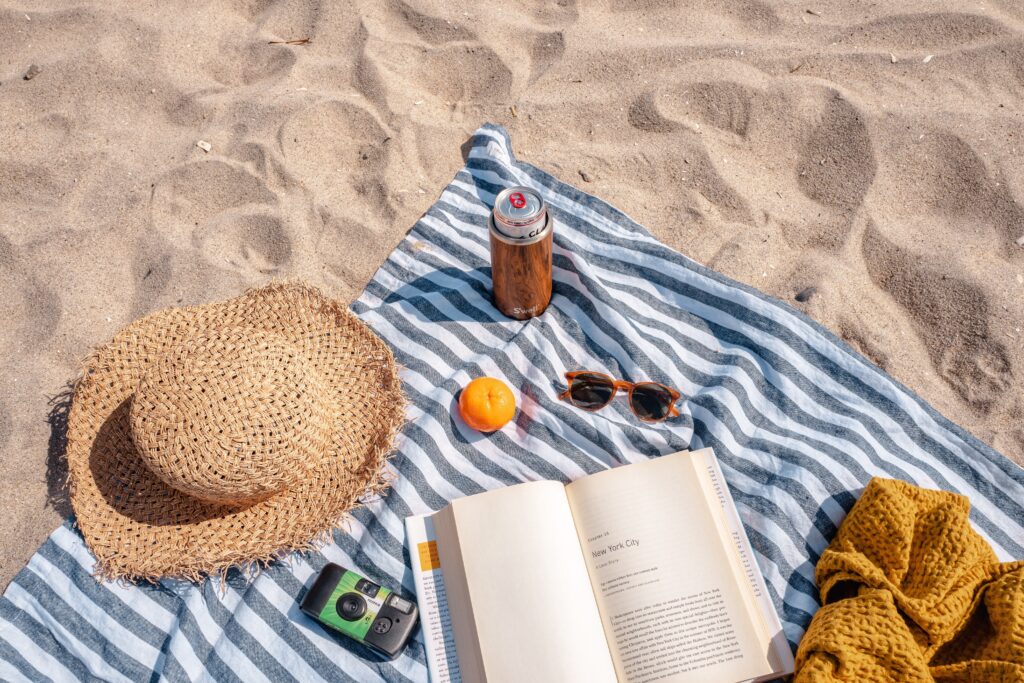
Whilst temperatures in Panama remain around 30 degrees, the weather changes quickly. This means that you can still enjoy most activities and tours as long as you plan to do your excursions in the morning or evening. The afternoon makes for a nice time to take a siesta or to sit inside and read a book as the rain pours down outside.
Whilst there is no exact timetable for rain, this general idea should allow you to make the most of your time in Panama during the rainy season. Just make sure you also bring an umbrella with you just in case.
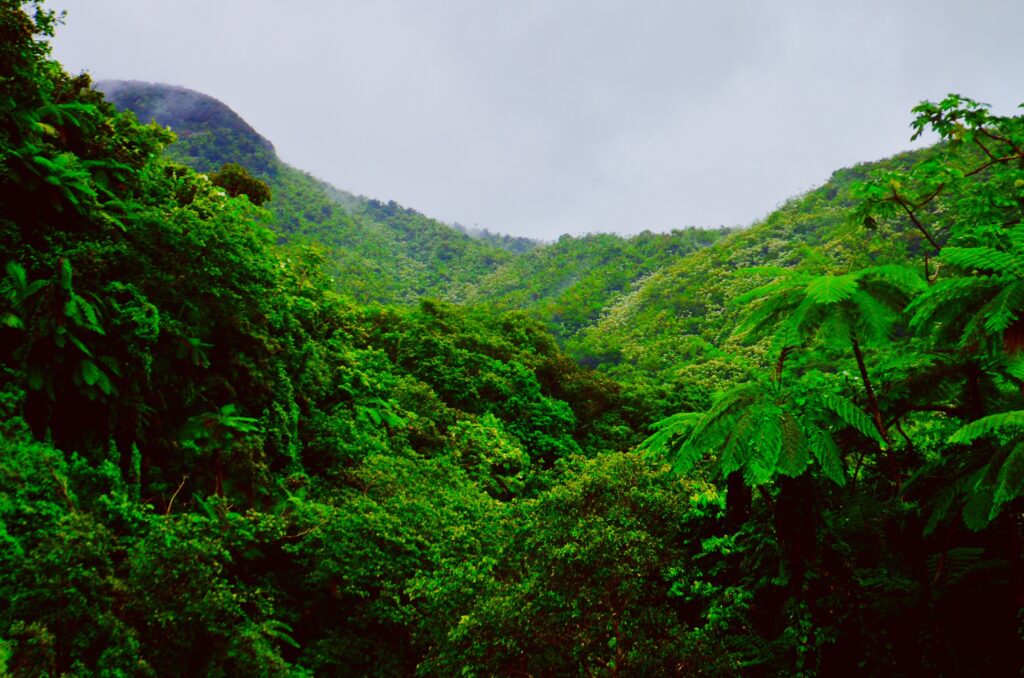
Note: If you are looking for lush green landscapes, the rainy season or the end of the rainy season will give you the best views with the most vibrant verdant greens you have ever seen. It almost looks like the colors have been edited to look more striking than you would have thought possible.
Panama’s dry season: December – April
The dry season, or the hot season of Panama, is a time of almost constant sunshine and heat. These are the months when the grasses turn yellow, and both tourists and locals alike head to the rivers and waterfalls and beaches for days of sun, sand, and swimming.
Temperatures rise to about 32 degrees, making the weather slightly warmer than the wet season but more bearable with less humidity.
Safety during the dry season
The main thing to keep in mind during these months is to stay hydrated before going out in the sun. Drink more than you think you need and try to stay in the shade when possible. Whilst many tourists are used to sunbathing and exposing themselves to high UV rays, it is best to limit your exposure to the full sun to the mornings and late afternoons, avoiding the peak sunshine of midday and early afternoon.
In this way, how you plan your activities and tours is actually almost identical to the rainy season since the part of the day most suitable for exploring outside is limited to the mornings and evenings. During the peak hours of heat, you can take a well-earned nap or head inside for some much-deserved AC.
Whilst rain is unlikely during these periods, it is still a good idea to carry an umbrella with you to help protect you from the sun. Fun fact: the Spanish word for umbrella (Paragua) means “for water,” and the word Parasol literally means “for sun” – in Panama, both prove true.
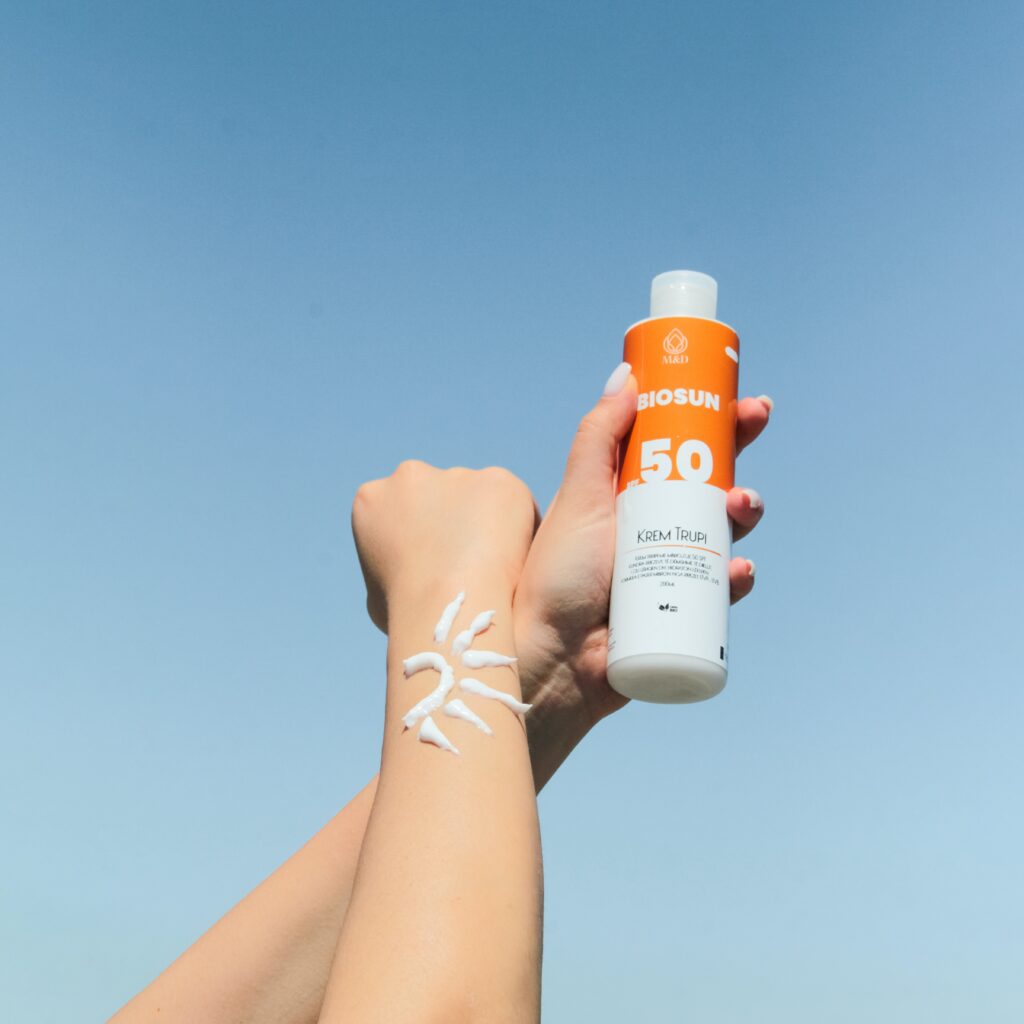
It is also advisable to always bring sun protection (sunscreen) to help avoid burning and to regularly apply it as indicated on the bottle.
How much sunshine is there in the dry season?
The weather during the dry season is quite predictable, with long periods of constant sunshine. This means that you are going to get bright blue skies, fewer clouds, and great lighting for those vacation photos.
Whilst the Panama climate will feel its hottest in large towns and near the beaches, it’s important to also know that there are ways to feel cooler breezes and colder weather in different areas of Panama. For example, anywhere higher up in the mountains, you will get instantly cooler climates. This is proven even more true when heading to the mountains of Chiriquí, like a tour of Volcán, where climates can average around 13 degrees. Additionally, anywhere that there are trees, you will immediately feel cooler, not just because of the shade provided but also because of how the trees bring a refreshing breeze down below their branches.
What to wear during your time in Panama?
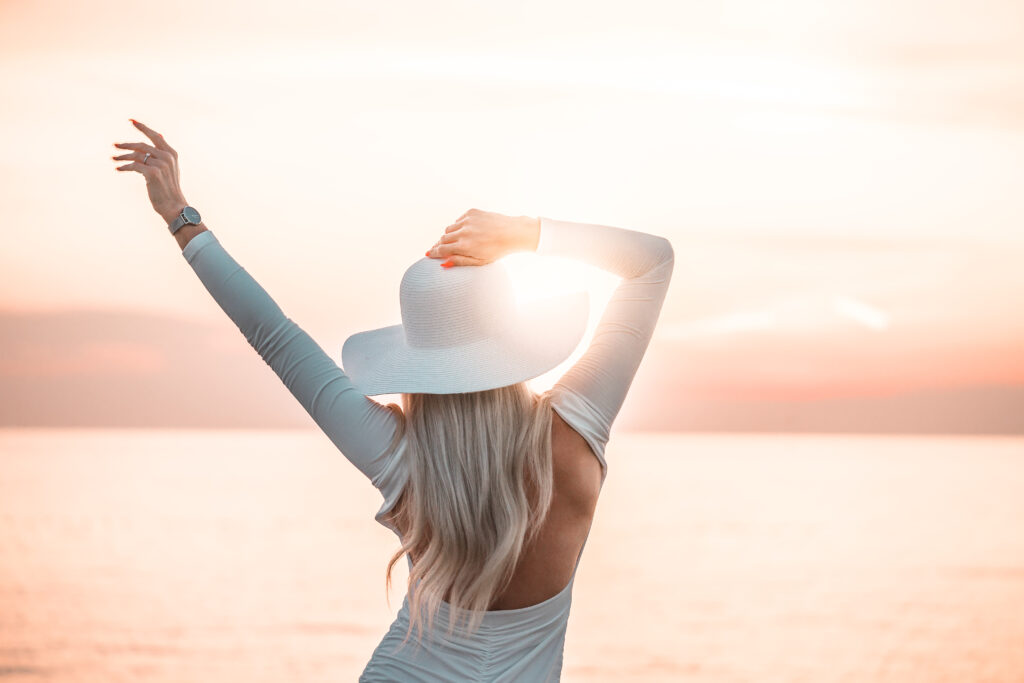
In either the sunny season or the rainy season, you will likely want loose-fitting, breathable fabrics like linen or cotton, a hat, sunglasses, and comfortable footwear. On hotter days, wear long-sleeved shirts to protect your skin from the sun, a large hat, sunglasses, and always bring an umbrella.
If heading into a bank, government building, or a mall, you should prepare for the air conditioning and wear closed shoes, trousers, and a warmer top. Note: whilst malls are pretty carefree, some upscale or formal institutions may have a dress code.
When heading into the mountains, you may wish to dress for colder weather, but pretty much everywhere else you can enjoy wearing your sundresses, shorts, T-shirts, tank tops, lightweight skirts, etc. Panama is a place to dress light and enjoy being yourself. Look your best, feel your best.
When is the best time to visit Panama?
The answer to this question depends on your priorities and what you plan on doing. The rainy season is the most cost-effective time to travel and allows for quieter tours and excursions with fewer crowds and tourists. If you are looking for seclusion, serenity, and peaceful days in Panama, then this may be your ideal option. It does, however, mean that you will likely avoid the beaches and rivers in the afternoons.
Alternatively, if you want to travel in the peak season when prices are slightly higher, you will travel in the dry season of Panama. This will give you the most access to a variety of tours in Panama and will let you enjoy longer days of sunshine at the beaches, rivers, and lakes. Whilst there will be more tourists during this time, it’s not like traveling to Cancun and still keeps relative tranquility with only a moderate amount of tourism.
Either way, you can enjoy plenty of warmth in the tropical landscape of Central America, as you indulge in all the activities that Panama has to offer.